
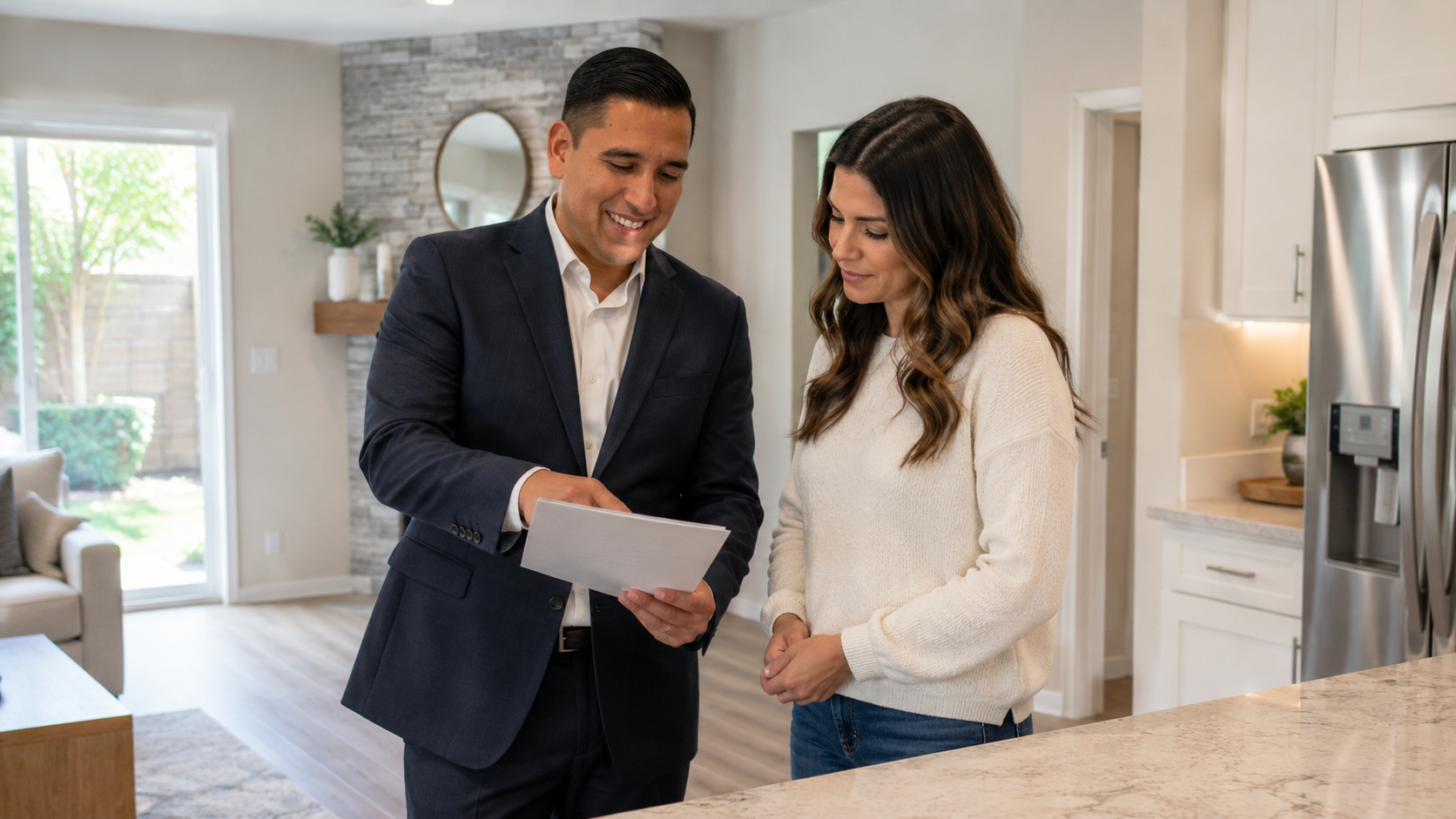
Your offer was accepted — congratulations. That relief is real, but acceptance is the start of a short, fact-finding phase where a few important checkpoints give you the information you need to decide whether to close, renegotiate, or step away under the protections in your purchase agreement.
Think of those checkpoints as answer-makers: the inspection shows current and likely upcoming problems, the appraisal tells the lender whether the house supports the loan amount, the lender’s underwriting verifies you still qualify, and title work looks for legal problems tied to ownership. Each one answers a different question you’ll use when deciding how to proceed.
First Things to Do Right After Your Offer Is Accepted
Confirm exactly where and how to deliver your earnest money deposit, as your purchase agreement and escrow company require. Missing the instructions or a deadline can create unnecessary headaches.
Schedule the home inspection right away so you have enough time to get a clear report and, if needed, ask for repairs or credits while you’re still within the inspection contingency period in your contract.
In California, there isn’t one timeline that applies to every transaction. Your actual contingency periods and deadlines are determined by the purchase agreement you negotiated with the seller, which is why it’s important to know those dates from the beginning.
Talk to your lender and give them any requested documents immediately. Lenders frequently ask for updated pay stubs, bank statements, or explanations of deposits. Slow replies can delay underwriting and potentially push back your closing.
If the property is in a homeowners association, request and review the HOA documents early. The rules, dues, financial condition of the HOA, and any assessments can affect your ownership and are worth understanding before you move forward.
The Checkpoints That Actually Matter — What Each One Tells You
Inspection: What It Does and How to Use the Report
A good inspection separates active problems from cosmetic ones. I’m reading for things that affect safety, habitability, major systems, or potentially your lender’s willingness to fund — active leaks, major electrical hazards, foundation movement, roofing concerns, plumbing issues, and similar items.
Don’t let the size of the report alone scare you. Home inspectors document a lot, especially on older Southern California homes.
Focus on the few items that could be expensive, unsafe, or indicate a larger problem. From there, we can determine which items are worth addressing with the seller.
Depending on the property, your contract, and the situation, that might mean requesting a repair, asking for a credit, obtaining a contractor quote, negotiating another solution, or accepting the property in its current condition.
If you and the seller can’t reach an agreement, the options available to you will depend on your purchase agreement and which contingencies are still in place.
Appraisal: Why Lenders Care and What It Means for You
The appraisal gives the lender an independent opinion of the home’s value for purposes of the loan.
If it comes in low, you and the seller may need to decide whether to bridge the gap with additional cash, lower the purchase price, meet somewhere in the middle, or explore whether additional comparable sales should be submitted through the lender’s appraisal process.
An appraisal difference isn’t automatically cause for panic. It’s a situation we evaluate based on the contract, your financing, the market, and the options available to you.
Lender Conditions: Paperwork, Underwriting, and Timing
Underwriting will almost always send conditions that must be cleared before funding. These are normally paperwork items or requests for clarification, and they can be time-sensitive.
My strongest practical advice: don’t make any big financial moves after acceptance.
Avoid opening new credit lines, financing furniture or a vehicle, making large purchases, moving large amounts of money without discussing it with your lender, or changing jobs without first speaking with your loan officer.
Even though you’re already under contract, your loan still has to make it through final approval.
Title, HOA, and Closing Logistics
Title work looks for liens, judgments, recorded documents, or surprises involving ownership of the property. Most title issues have a clear path toward resolution, but some can slow the schedule or become issues that need to be addressed before closing.
HOA documents can also reveal rules, financial information, assessments, and restrictions that may affect your decision to buy.
If anything unexpected appears, your escrow and title professionals, along with your agent, should help explain what it means and what options are available.
The Final Steps: Walkthrough, Closing, and Keys
A final walkthrough confirms the home’s condition before closing — that agreed-upon repairs appear to have been completed and that nothing significant has changed since you agreed to purchase the property.
You’ll also sign your final loan and escrow documents and provide any remaining funds required for closing.
Bring any required identification and follow the instructions provided by your escrow officer.
Wire fraud is a real concern in real estate transactions. Before sending a large wire, always independently confirm the wiring instructions directly with your escrow company using a trusted phone number. Never rely solely on wiring instructions received through an unexpected email.
Once the lender funds, the remaining escrow requirements are satisfied, and the deed is recorded with the county, the transaction can officially close. Keys and possession are then delivered according to the terms of your purchase agreement.
How I Help Buyers During This Period
When I’m working with a buyer after acceptance, I make the timelines and decision points clear from the start.
I help coordinate the inspections, track important contractual dates, and walk through the inspection findings with my buyer so we can separate significant safety, structural, or major-system concerns from items that are simply part of owning a home.
If we need additional information, I can help coordinate contractor estimates or specialists, so we’re making decisions based on better information instead of guessing.
When repairs or credits need to be discussed, I’ll help determine what is reasonable to request and negotiate with the seller based on the property, the inspection findings, the contract, and the market.
I also stay in communication with the lender and escrow team throughout the transaction. If an appraisal, lender condition, title issue, or other unexpected problem creates pressure, I’ll outline the realistic options and explain the trade-offs of each choice.
My job isn’t to promise a perfect outcome. It’s to make the facts clear, keep the transaction moving, and help you make an informed decision at each step.
Practical Habits That Keep the Deal on Track
Answer lender and escrow requests quickly and keep the funds you plan to use traceable in your accounts. Small, avoidable mistakes — slow document delivery, new debt, unexplained money movement, or an unverified wire — can create unnecessary closing delays.
Be flexible on reasonable repair items but pay close attention to active safety concerns, major systems, and potentially expensive problems.
If something unexpected appears, take the time to gather the facts. These checkpoints are designed to give you information so you can make an informed decision about the home you’re buying.
If you’re buying a home in Orange County or the surrounding Southern California area and want someone to help you understand the process, evaluate your options, and build a strategy before you make an offer, let’s talk.